A place to begin.
Four questions you could ask tonight, and short guides for the conversations that take more care.
Ask one, then follow the detail they choose to share.
- Everyday life
“What did an ordinary Sunday look like in your house?”
- People
“Who made you feel at home when you were young?”
- Work
“What did you learn that no one could have taught you?”
- A photograph
“What happened just before this was taken?”
For the conversations that take more care.
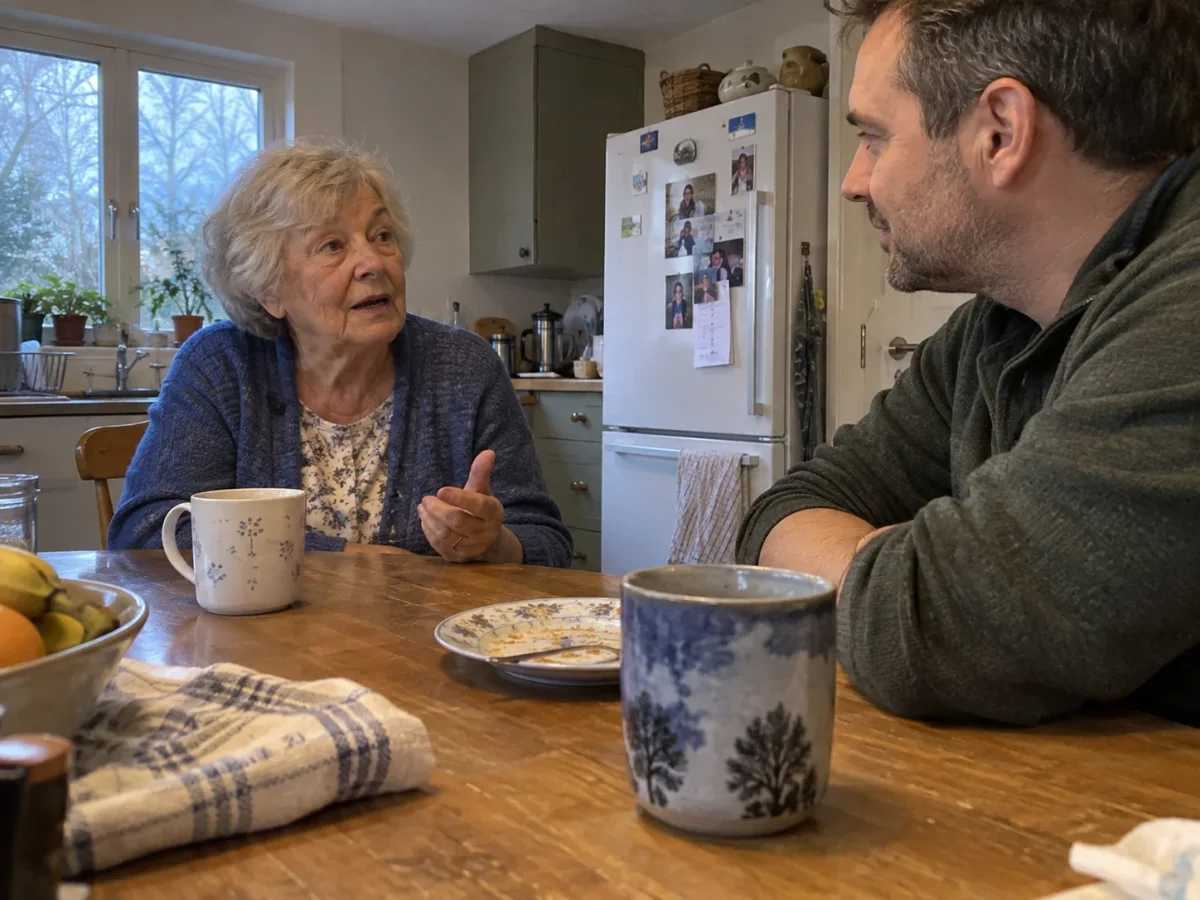 Family conversations
How to interview a parent without making it feel like an interview
Begin with a detail your parent can picture, ask one question at a time, and follow the answer instead of a checklist. Agree before recording, and let a short conversation be enough.
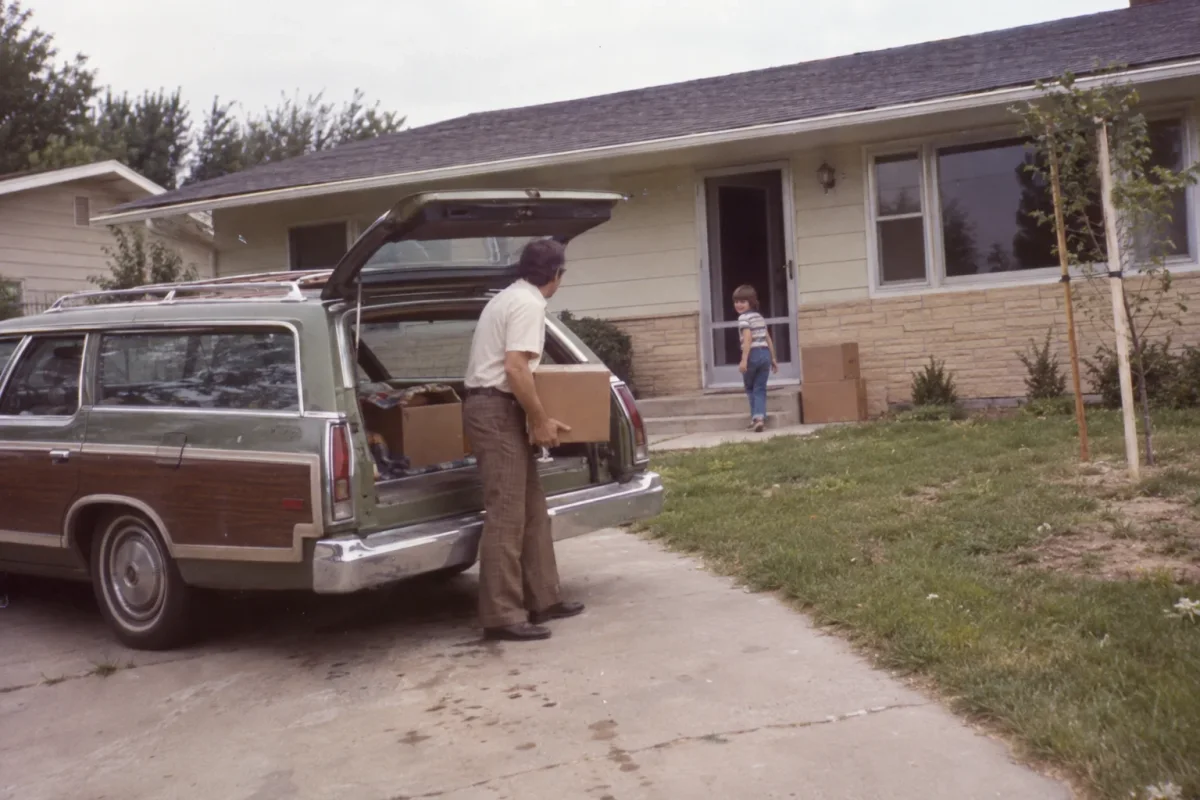 Photographs & context
What to do with a box of family photographs nobody has labeled
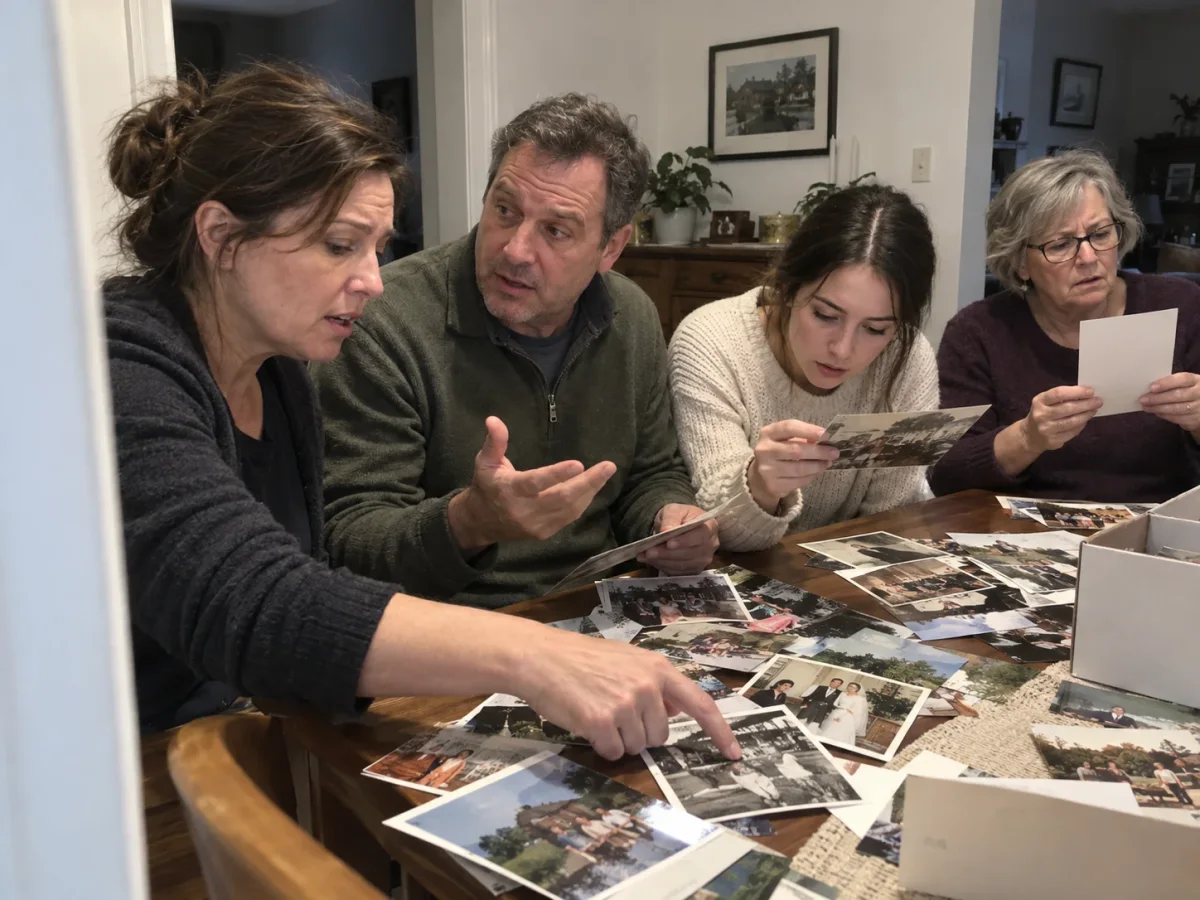
Start with a small group. Give each photograph a stable identifier, capture both sides, and keep confirmed details separate from guesses. Ask people for their recollections before choosing a single label.
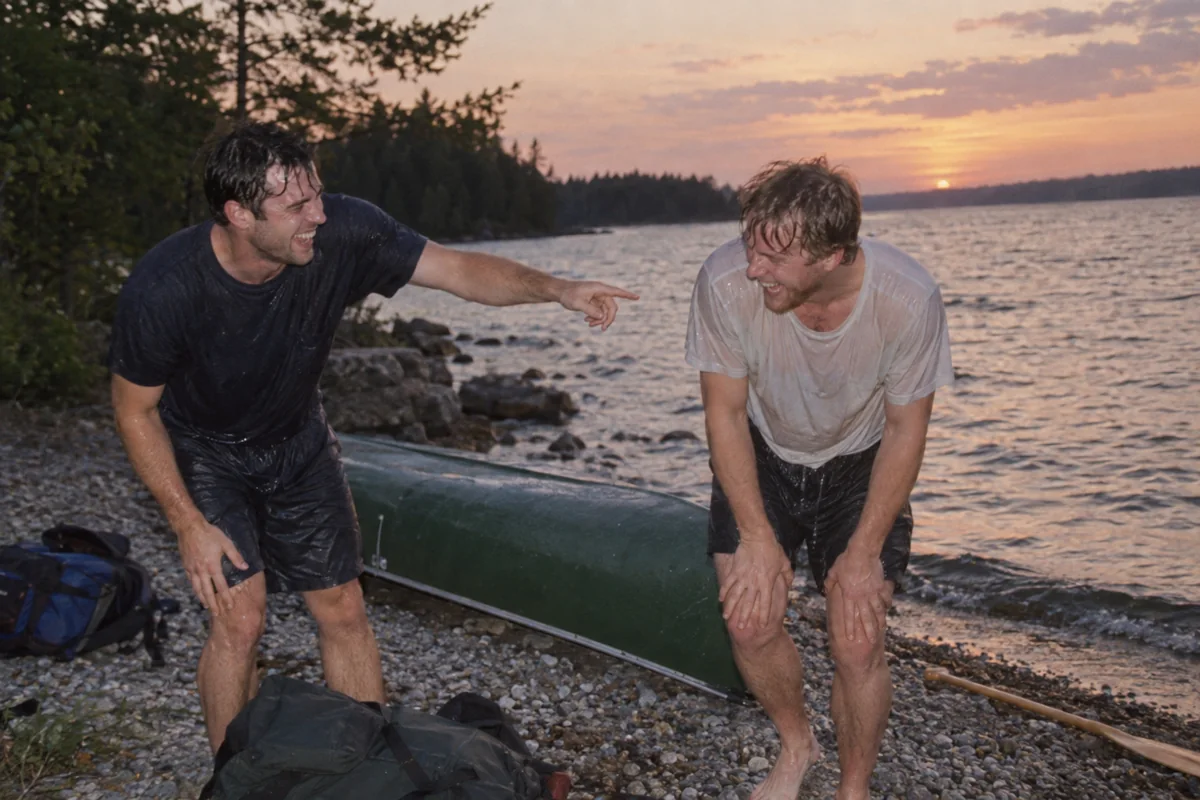 More than one voice
How to preserve different versions of the same family story
Keep each person’s account in their own words, attach their name, and make clear whether they were there or heard the story later. Add shared context without rewriting disagreement into a single authoritative memory.
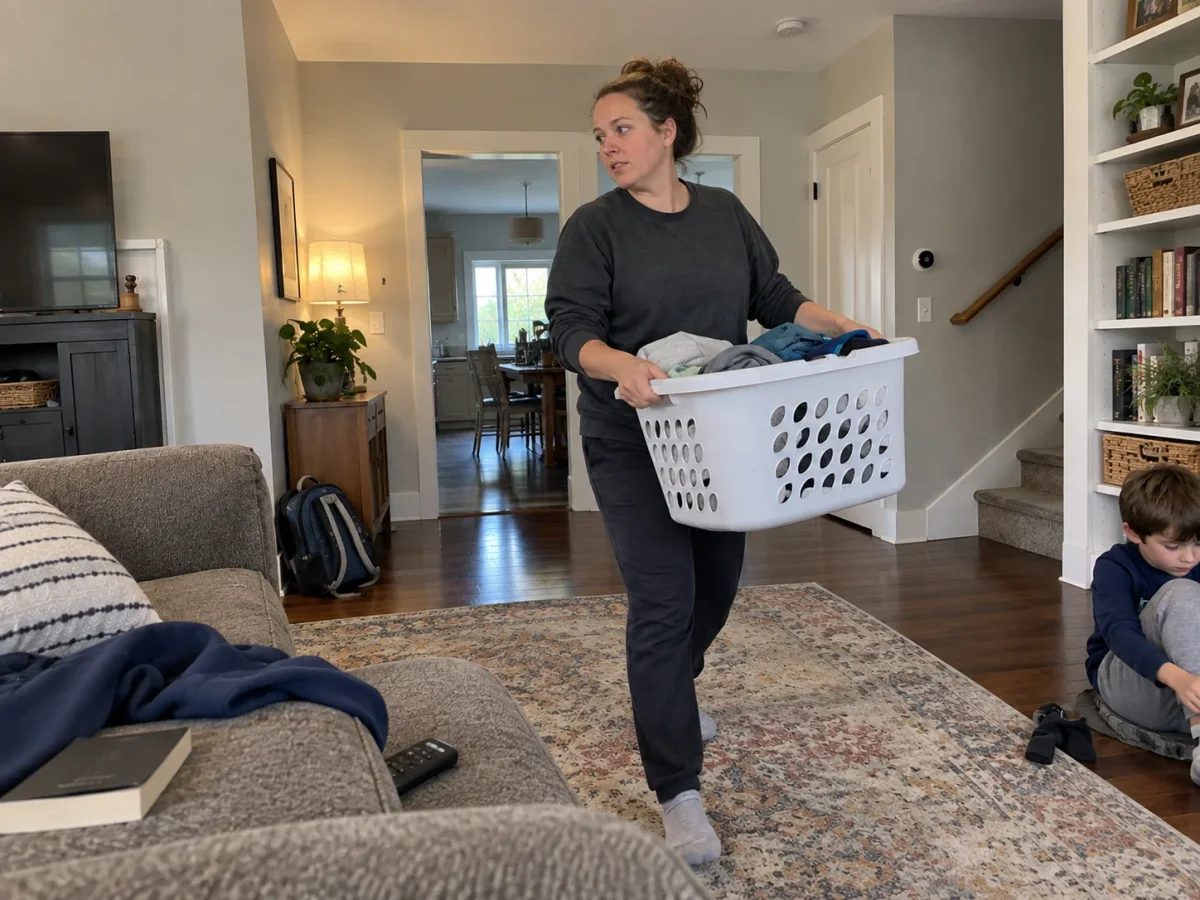 Questions worth asking
Questions that reveal ordinary life - not just milestones
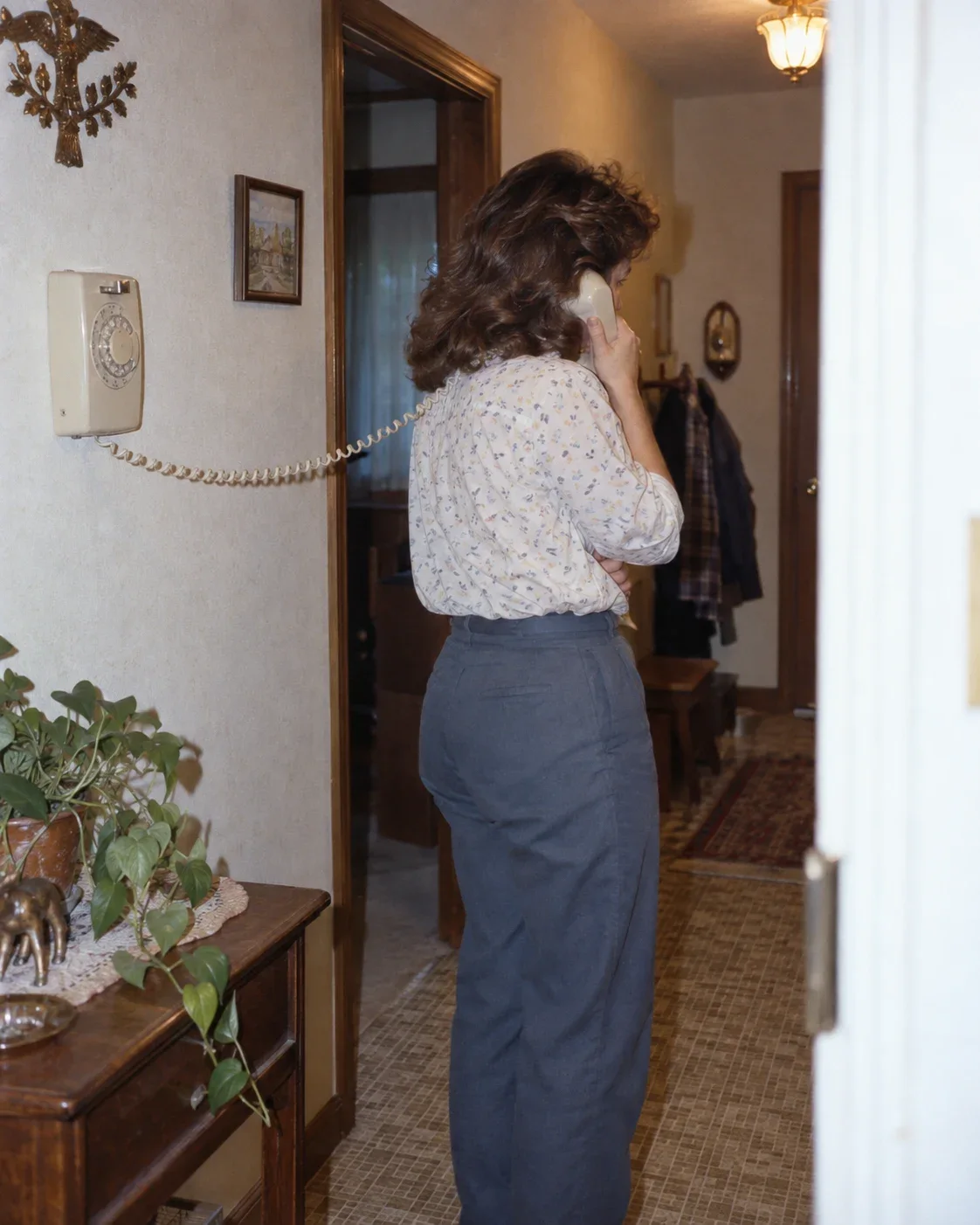
Ask about routines, places, objects, and small decisions. These give a person something concrete to remember and help preserve the texture of daily life alongside births, moves, and other milestones.
 Care & privacy
What families should decide before recording sensitive stories
Discuss whether to record, who may hear or read the result, what should remain private, and how the storyteller can review it. Make those decisions before the conversation becomes difficult.
 Care communities
For care communities: planning participation, consent, and family contribution
Plan the participation before planning the content. Begin with the resident’s wishes, agree how family and staff will be involved, and define who may access the archive and how those arrangements will be revisited.
 Organizational memory
How organizations can preserve context before long-serving people retire
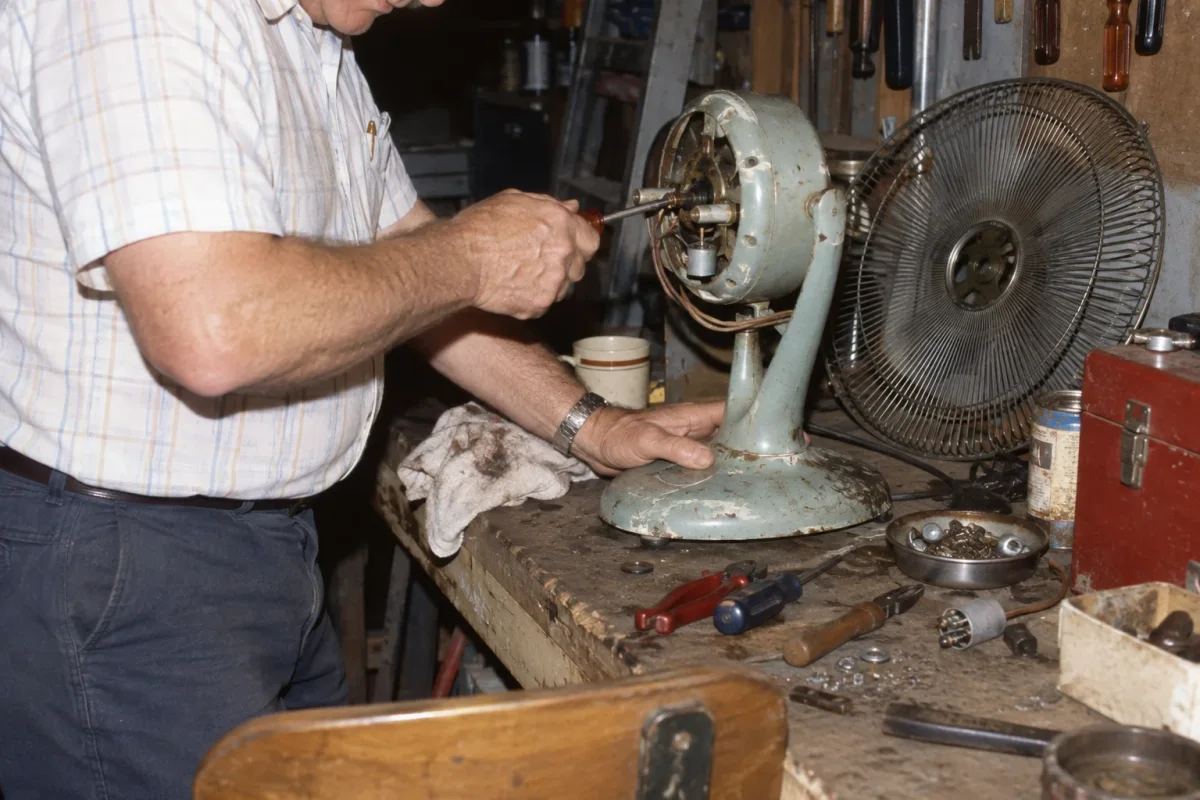
Choose a few decisions that depend on experience, ask the person to walk through real examples, and keep the reasoning beside the documents it explains. Agree on scope and access before recording.
Planning a longer storyThe eleven chapters of a life
From where the family started to looking back: the chapters A Story moves through, one at a time.
The eleven chapters of a life
From where the family started to looking back: the chapters A Story moves through, one at a time.
Where we come from
Parents, grandparents, and the place the family started.
Childhood
The house, the street, the rules, and what it smelled like in summer.
Growing up
School, teenage years, first jobs, and leaving home.
Love & family
How they met, what it was like, and the family that came of it.
Work & making a living
Farms, shops, kitchens, offices, and caring for people.
The world we lived through
War, leaving, arriving, and the years that bent everything.
When everything changed
The high point, the low point, and the day after which nothing was the same.
Faith & what carried me
Whatever they leaned on, named or not.
Looking back
The view from here, and what it all taught them.
From the family
The same years from the other side - what the children and grandchildren remember.
Anything else
Everything that fits nowhere else. Every archive needs one.
PacingLetting a conversation deepen at their pace
Five steps, from an easy warm-up to what they would say now. Go deeper only when they want to.
Letting a conversation deepen at their pace
Five steps, from an easy warm-up to what they would say now. Go deeper only when they want to.
Warm-up
Easy to answer on a bad day. Where did you live? Who else was in the house?
Scene
One afternoon, in detail. What was on the table, and who was talking over whom.
Portrait
A person, drawn properly. What your father was like when nobody was watching.
Stakes
What it cost. The choice that was hard, and what you gave up to make it.
Reckoning
What you would say now. The apology, the pride, the thing never said out loud.
Take one question into the first call.
The calls ring in the A Story iPhone app, which is in a private beta. Inviting family, writing and reading never cost extra.