Organizational memory
How organizations can preserve context before long-serving people retire
Choose a few decisions that depend on experience, ask the person to walk through real examples, and keep the reasoning beside the documents it explains. Agree on scope and access before recording.
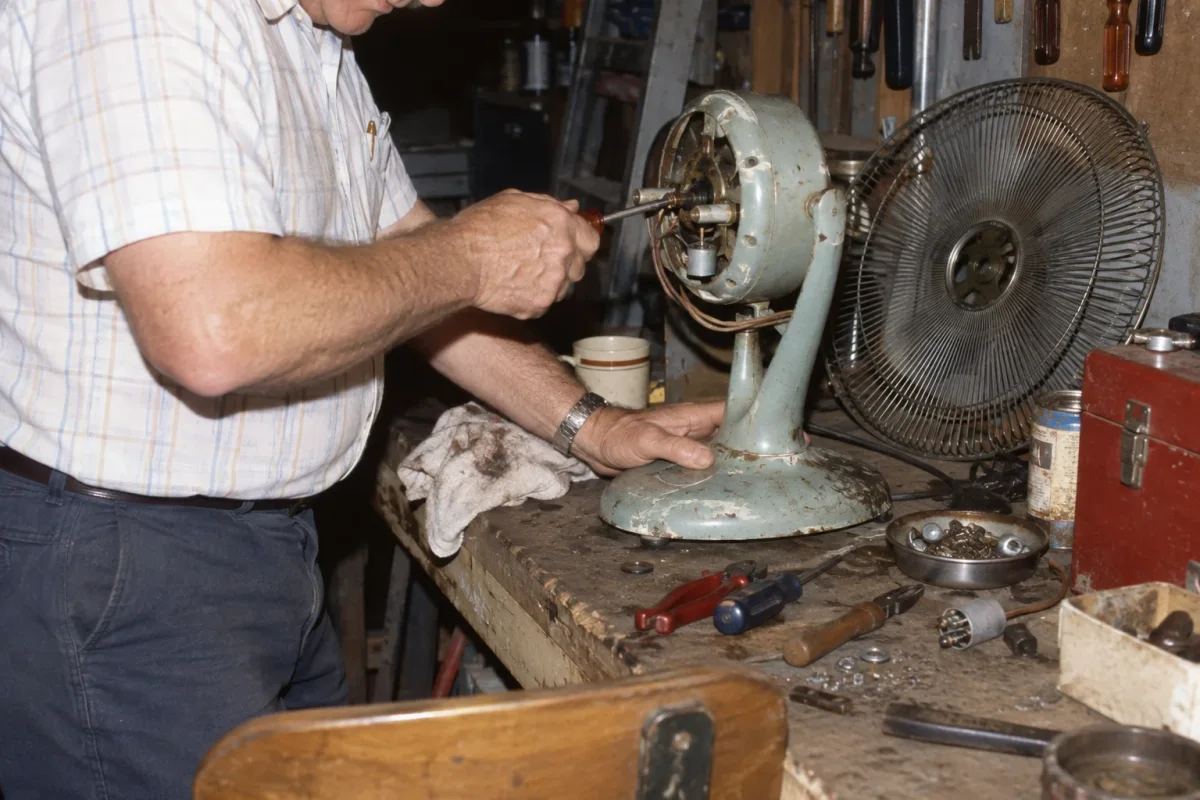
A workshop has a maintenance notebook, but one colleague knows which sound means a job needs a second look. Asking her to read out the procedure will miss that knowledge. Asking about the last time she stopped a job may reveal the judgment a successor needs to understand.
Start with the work someone actually does
List three situations that regularly lead people to ask this colleague for help. They might involve an unusual failure, a long-standing relationship, or a decision that never appears in the standard procedure.
Choose one situation for the first conversation. Ask for a specific occurrence: what they noticed, what they considered, what they did, and what happened next. A concrete example gives later readers a way to understand the reasoning without pretending that one anecdote is a universal rule.
Keep the explanation attached to its context
Pair the account with the relevant photograph, document, place, or period. Record who is speaking and when. If a practice has changed, make that clear rather than allowing an old recollection to look like current operating guidance.
Ask “What would you have done differently if this other condition had been present?” and “Who else understood this problem?” These questions can identify limits and other sources. A useful archive shows where an account applies and where someone should look further.
Invite a second perspective and plan the handover
A colleague may remember the same change from another role. Keep that account alongside the first, with its attribution. A founder’s explanation and a technician’s experience may reveal different parts of the same decision.
Before the person leaves, ask a future reader to try finding and understanding one example. Can they locate it from the words they would naturally search for? Do the documents and recollections refer to the same event? Fix unclear names and missing context while someone can still help.
Agree who may see the material and what must remain restricted. Preserve oral history as context; keep approved procedures, responsibilities, and current instructions in the organization’s appropriate working systems.
“What does the written procedure leave out?”