More than one voice
How to preserve different versions of the same family story
Keep each person’s account in their own words, attach their name, and make clear whether they were there or heard the story later. Add shared context without rewriting disagreement into a single authoritative memory.
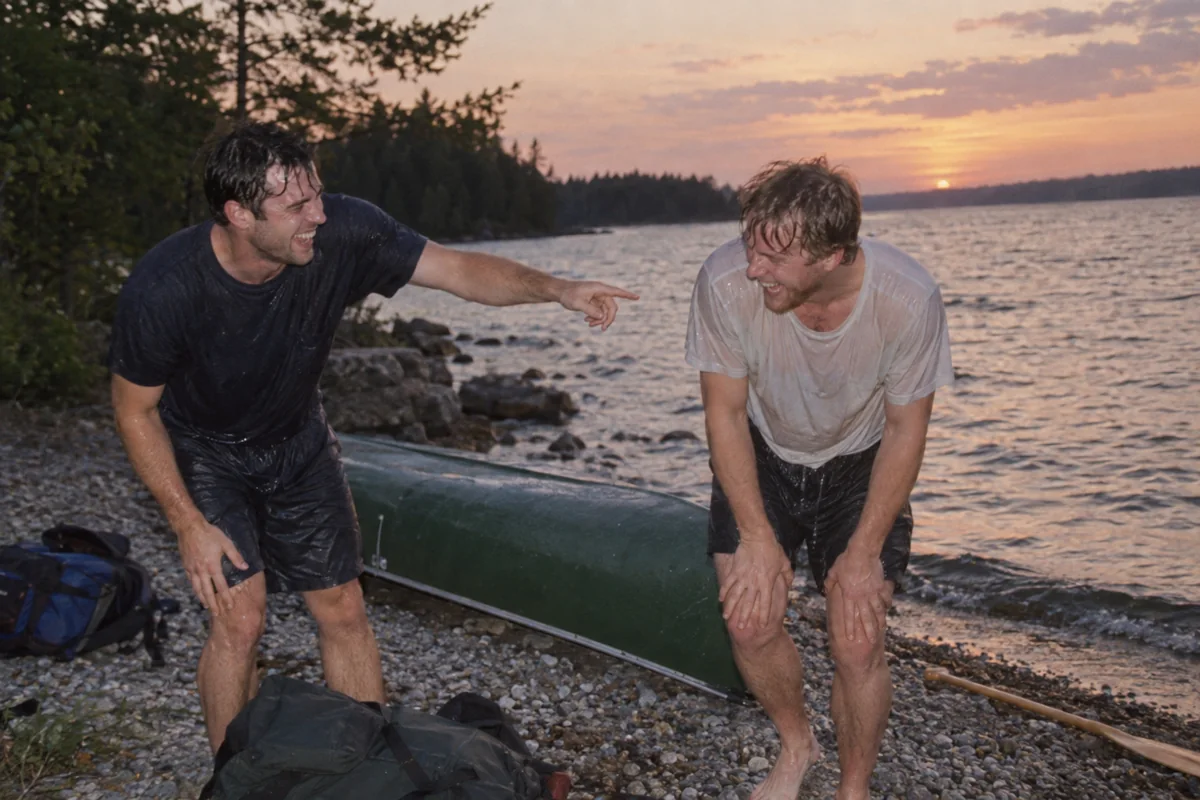
In A Story’s illustrative lake memory, Eleanor remembers fear, Daniel remembers the best day of the summer, and Maya knows the afternoon through family stories. These are different relationships to the same event. A shared record has room for all three.
Separate the event from the experience
A date or location may be checkable. Whether the day felt safe, joyful, or lonely belongs to someone’s experience. Begin by asking what kind of difference you are dealing with. An uncertain year needs a different response from a difference in feeling.
Ask each person for their account before presenting another person’s version. “What do you remember about the walk home?” allows more room than “Your brother says you were upset - was he right?” You are collecting recollections, not inviting a family vote.
Keep attribution close to the words
A quotation loses something important when its speaker is detached. Record the person’s name, their relationship to the event, and when they shared the account. Use plain labels such as “was there” or “heard this from her mother.” A later retelling is still part of family history, but it is a different kind of source.
If you write a summary, say that the accounts differ. For example: “The cousins remember the summer visit differently. One recalls the freedom of the lake; another remembers watching from the shore.” Let readers reach the original accounts from that short introduction.
Resolve a detail without erasing a voice
Sometimes a photograph or letter clarifies a date. Add that evidence and explain the correction. You do not have to remove the earlier recollection to make the current description useful.
Other differences may remain unsettled. Do not force reconciliation as the price of keeping a story. Ask what each person is comfortable sharing, particularly when an account concerns someone else. A private archive still requires care with who can read or contribute.
“What did that day feel like from where you stood?”