Questions worth asking
Questions that reveal ordinary life - not just milestones
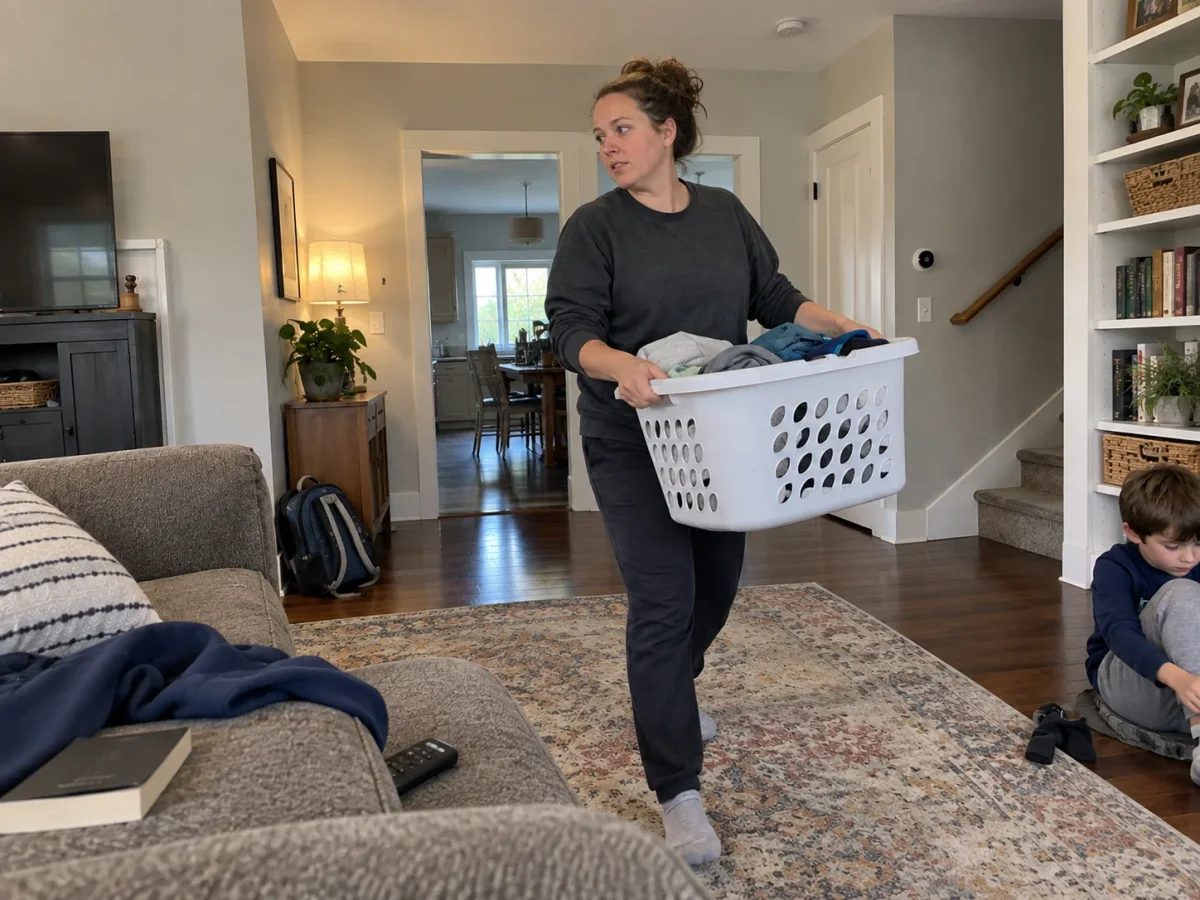
Ask about routines, places, objects, and small decisions. These give a person something concrete to remember and help preserve the texture of daily life alongside births, moves, and other milestones.
“What was school like?” may produce a broad answer. “What did you do between the school gate and your front door?” might bring back a shortcut, a shopkeeper, or the friend who always walked slowly. The small route can tell you something the school photograph cannot.
Begin with a routine
Try “What did an ordinary Sunday look like in your house?” Then follow the sequence: who got up first, what happened before lunch, and what signaled the end of the day. A routine gives the conversation a loose structure without asking for a polished story.
Other openings: What did you take to work? Who usually answered the telephone? What could you hear from your bedroom? Choose one question and let it develop. A list of prompts is a set of possible doors, not a target to complete.
Let an object bring people into view
Ask who always sat in a particular chair, who owned the good scissors, or which bowl came out when visitors arrived. Objects can make relationships easier to describe. A chipped cup may lead to a person whose name never appears in the formal family album.
Follow with “Who taught you to use it?” or “What happened when it broke?” Avoid deciding in advance which object should be meaningful. The storyteller may care more about a lunch tin than an heirloom. Keep that choice visible in the story.
Ask what an outsider would miss
Families use names for places that do not appear on a map. Ask “What did everyone call the place that had another official name?” or “What would a visitor have needed someone to explain?” These questions make room for local knowledge.
After the conversation, write down a few terms exactly as they were said. Add an explanation separately if it helps. If a relative remembers a different nickname, keep both with their sources. The purpose is to give future readers a way into the household, not to make it sound more orderly than it was.
“Who always sat in the same chair?”