Photographs & context
What to do with a box of family photographs nobody has labeled
Start with a small group. Give each photograph a stable identifier, capture both sides, and keep confirmed details separate from guesses. Ask people for their recollections before choosing a single label.
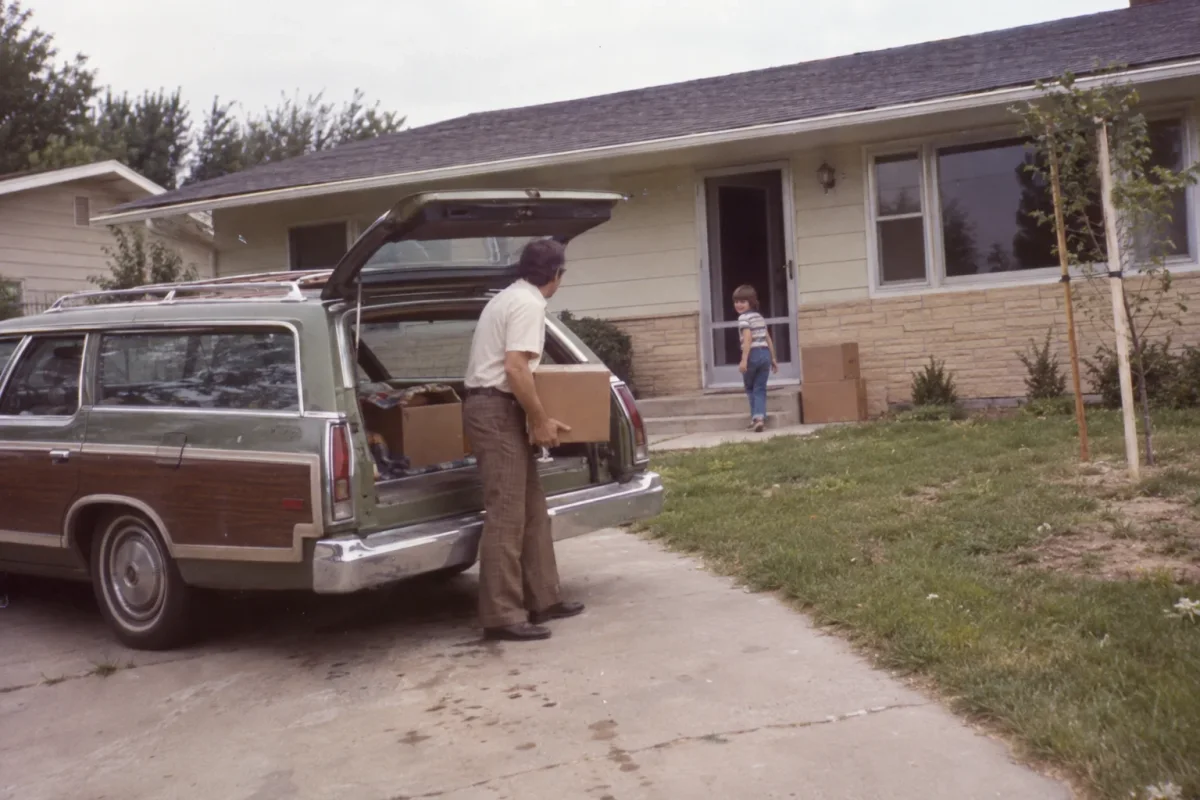
A photograph might be called “Grandma’s wedding” by one relative and “the cousin’s engagement” by another. Instead of silently choosing the more confident answer, keep both descriptions, name the people who supplied them, and record what could help distinguish the events.
Make the photograph findable first
An enormous sorting project is easy to postpone. Choose one envelope or ten prints. Give each image a simple identifier such as FAMILY-001 and use that same identifier in the image filename and your notes. Capture the reverse too: a pencil name, stamp, or processing date may matter later.
Keep the physical prints in their existing groups while you document them. The envelope or neighboring photograph may provide a clue. A digital copy makes a convenient working reference so several relatives can look without moving the originals around.
Use four kinds of notes
Record what is visible: three people, a porch, a sign, a uniform. Separately record what someone remembers: “I think this was our first apartment.” Add who supplied that recollection and when they shared it.
Then list uncertainties and follow-up questions. “Possibly 1972” is useful information; an invented exact date is not. Your four headings can be Visible, Remembered, Uncertain, and Ask next. This keeps the growing archive readable without making it appear more certain than it is.
Ask about the edges of the frame
“Who is this?” is a sensible first question, but the answer may be “I don’t know.” Try asking where people stood, who took photographs, or what normally happened in that room. A relative may remember the occasion without recognizing every face.
When several people respond, keep their accounts distinct. You can update a working description as evidence improves while preserving the earlier recollections. If someone identifies a place from a building or sign, note that basis. Future family members should be able to tell a remembered detail from a later inference.
“What do you know - and what are you guessing?”