Care & privacy
What families should decide before recording sensitive stories
Discuss whether to record, who may hear or read the result, what should remain private, and how the storyteller can review it. Make those decisions before the conversation becomes difficult.
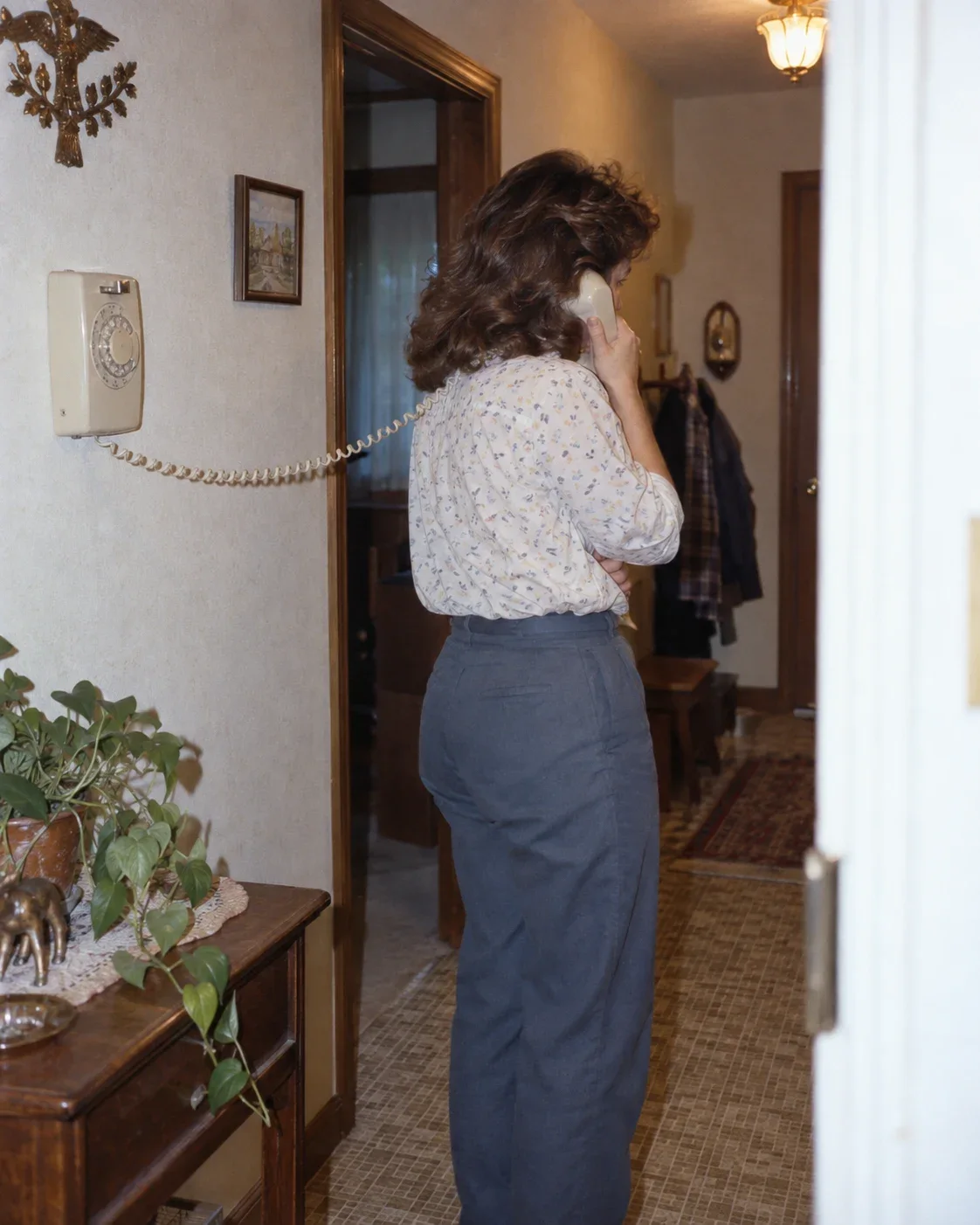
A parent is comfortable describing a move but does not want to discuss the family disagreement around it. You can keep the story of the new home without treating that boundary as a missing answer to extract. Another conversation may happen later, or it may not.
Agree on the audience in ordinary language
“For the family” can mean different things to different people. Name the intended readers or listeners. Explain whether the recording will stay with one person, go into a shared archive, or be used in a printed volume.
Ask separately about recording and sharing. Being comfortable speaking to you does not automatically mean being comfortable with a recording or a wider audience. The Oral History Association’s principles place attention on participants’ understanding and involvement throughout the process; see the further-reading link below.
Make stopping easy
Agree on a plain way to pause: “We can leave that there” is enough. Do not require someone to explain or justify a boundary. Offer to move to another topic or stop for the day, and follow the choice they make.
Leave room for a person to change their mind about what they have just said. Discuss how the material will be reviewed before it is shared, and what you can actually remove or restrict in the tools you are using. Do not promise a control you have not checked.
Keep other people in mind
A story can concern people who are not in the room. Before sharing an account, consider whose private information it includes and whether those details are needed for the intended audience. Keeping a recollection does not require making every part of it widely accessible.
Afterwards, confirm what was agreed and keep a note with the material. Ask the storyteller to review any summary that could change the sense of their account. Attribution is essential, but a name beside a quotation does not by itself settle whether it should be shared.
Further reading: Oral History Association: Principles and Best Practices.
“What would you like to keep just between us?”