Care communities
For care communities: planning participation, consent, and family contribution
Plan the participation before planning the content. Begin with the resident’s wishes, agree how family and staff will be involved, and define who may access the archive and how those arrangements will be revisited.
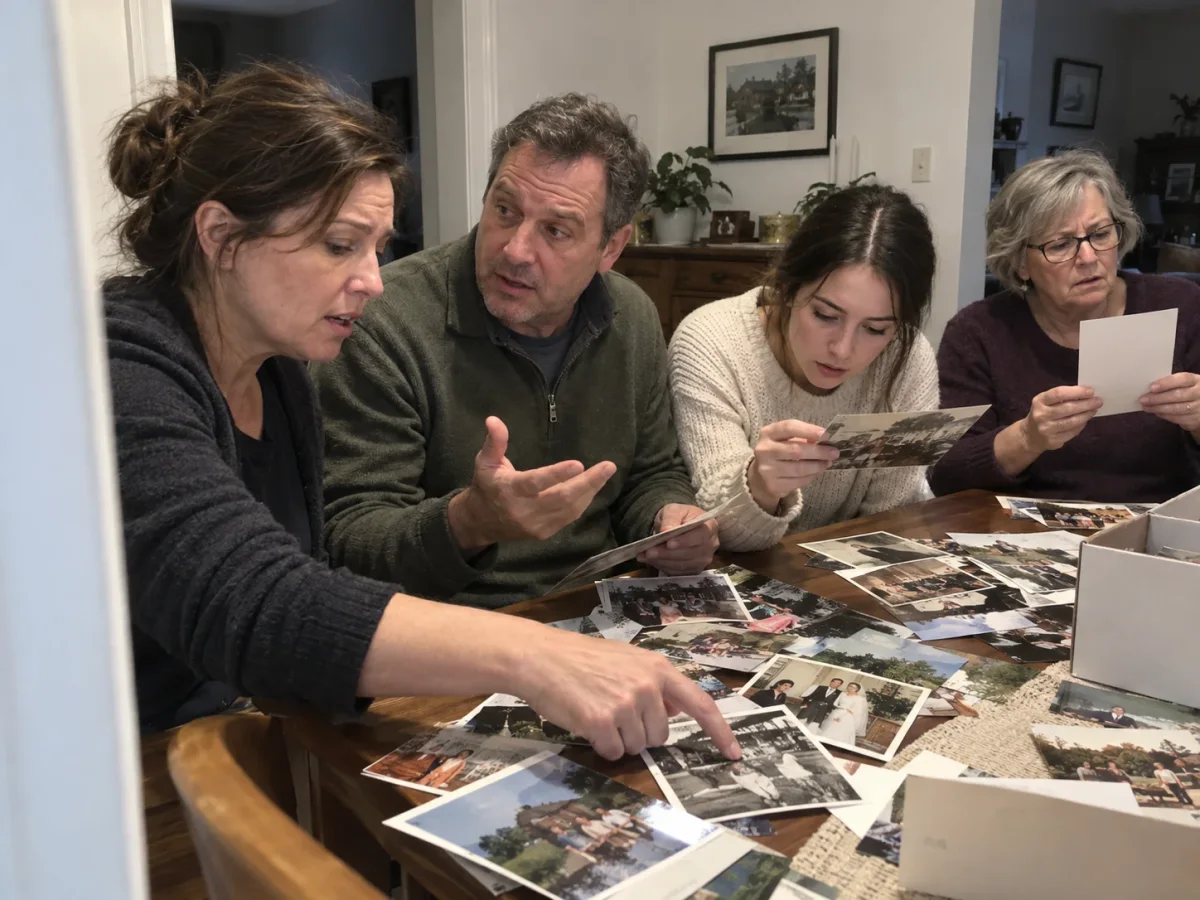
A resident wants to talk about the shop where she worked. Her daughter can identify the people in a photograph; a staff member can help find a quiet time. These are three different contributions. The resident should not become a supporting character in a project organized around her life.
Write a one-page participation plan
Start with five headings: Preferences, Recording, Family contribution, Staff involvement, and Access. Under each, note what has been agreed and what still needs discussion. Use names and practical arrangements instead of broad promises.
Preferences might include time of day, conversation length, subjects to avoid, and whether another person should be present. Recording and access need their own discussion. The plan should make it easy to see who is responsible for checking that the arrangement still fits the resident’s wishes.
Give family and staff distinct roles
Relatives may contribute photographs, identify names, or add another recollection. Ask them to distinguish what they witnessed from what they heard later. Keep their contribution attributed rather than silently editing it into the resident’s words.
Staff involvement may be as simple as helping coordinate setup or a comfortable space. Do not build a launch plan around tools or staffing capacity that have not been confirmed. A small, workable arrangement is more useful than a long list of proposed features.
Make review part of the project
Before wider sharing, revisit who will be able to see the material and whether that matches what participants understood. Establish how someone can raise a concern or ask to pause participation. Consult the community’s relevant policies and responsible staff for consent and access requirements.
Do not treat a completed form as a substitute for listening to the person during the conversation. If preferences or circumstances change, pause and review the arrangement. The project’s purpose is to make room for a person’s history, not to meet a recording quota.
“How would you like to take part?”